High-force pneumatic actuators suit the supporting and light-pressing jobs in a metal stamping cell: clamping, holding, ejecting, and moving parts quickly and repeatably on plain shop air. They do not replace the stamping press itself. Once a task needs very high force, tight force control, or a long power stroke, a hydropneumatic, hydraulic, or servo solution is the better fit. Choosing correctly comes down to required force, stroke, cycle time, and how much control the process needs.
What Is a High-Force Pneumatic Actuator?
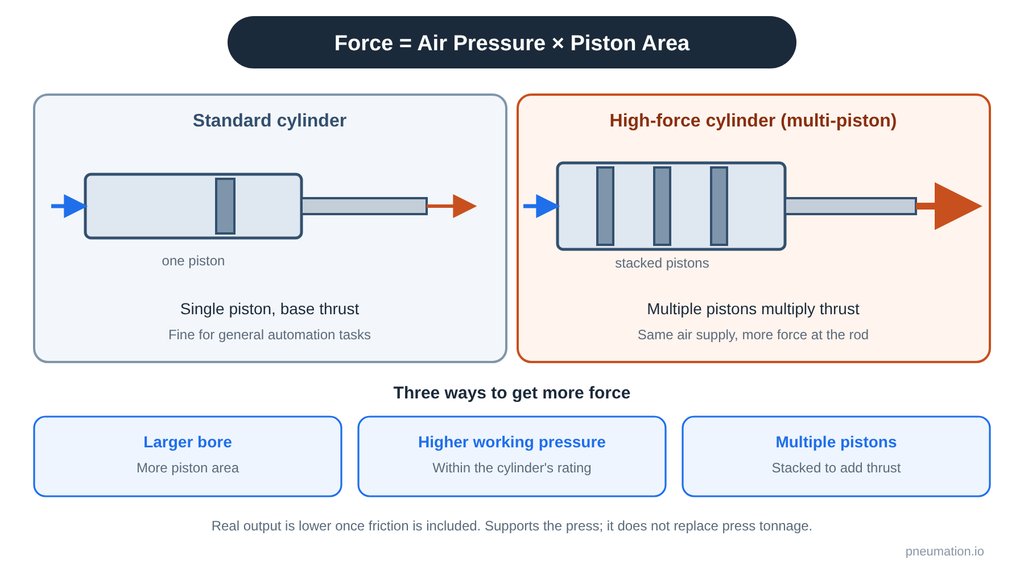
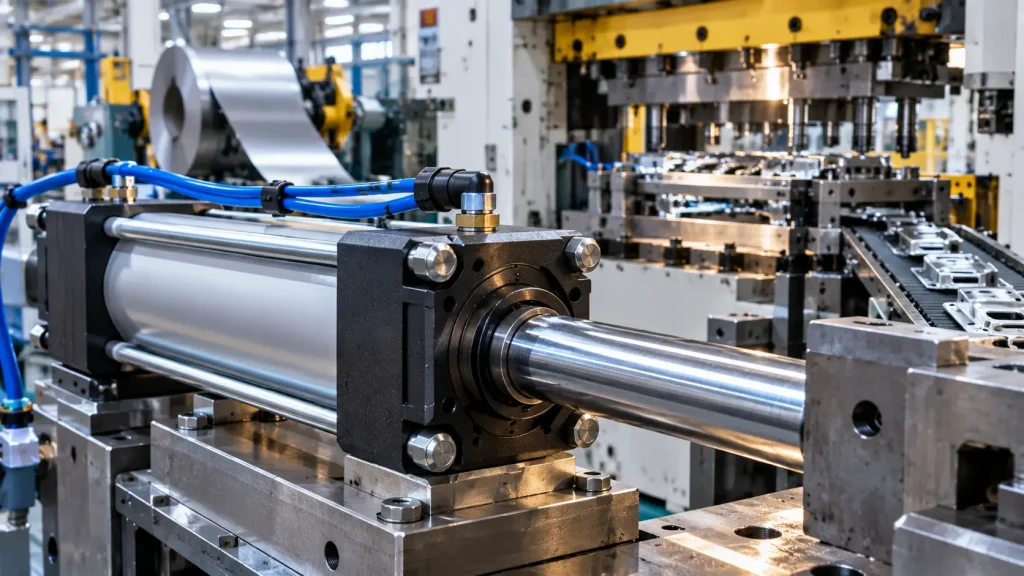
A high-force pneumatic actuator is a pneumatic cylinder designed to deliver more thrust than a standard cylinder of similar size, usually by using larger bores, higher working pressure, or multiple pistons. Output force follows a simple rule: force equals air pressure multiplied by piston area.
As a pneumatic cylinder, it can be single- or double-acting and is built in tie-rod, flanged, and other body styles. Manufacturers boost thrust in different ways. Fabco-Air’s Multi-Power units, for example, stack multiple pistons to multiply thrust, and its Hi-Power tie-rod cylinders are rated up to 250 psi. You can see these lines on the Fabco high-force actuators page and in the broader Fabco actuators range.
What Does a Pneumatic Power Cylinder Do in Metal Stamping?
In stamping, a pneumatic power cylinder usually supports the press rather than forming the part. Stamping is a sheet-metal forming process in which a blank or coil is shaped by a tool and die in a press, using operations such as punching, blanking, bending, and coining. The press supplies the forming force.
Around that press, high-force cylinders commonly take on tasks such as:
- Die clamping and workpiece holding: securing tooling or parts firmly during an operation.
- Light pressing and assembly: inserting, staking, or seating parts after forming.
- Ejection and part transfer: pushing finished parts out or moving them to the next station.
These are roles where speed, repeatability, and simple air-powered control matter more than extreme tonnage. For higher-cycle work, fast units such as Koganei high-speed cylinders are an option.
How Does Press Force (Tonnage) Compare With Pneumatic Force?
Press force, or tonnage, is the rated force a press can apply, and in U.S. practice it is expressed in tons (one ton equals 2,000 lb). A pneumatic cylinder’s force is far lower, which is why it is not used for the main forming stroke.
A simple calculation shows the gap. A cylinder with a 4-inch bore has a piston area of about 12.6 square inches. At 100 psi, its theoretical thrust is about 1,257 lb, or roughly 0.6 ton, before friction losses. Reaching multi-ton force from air alone would need a very large bore, higher pressure, or multiple pistons.
Two practical points from Assembly Magazine’s coverage of air presses:
- Direct-acting pneumatic force is proportional to air pressure. One example given is 1,000 lb at 90 psi dropping to 500 lb at 45 psi.
- Force should be used near the rated pressure. Running a large unit at a much lower pressure is discouraged.
Pneumatic vs. Hydraulic Cylinder for Stamping: Which Fits Better?
Choose pneumatic when speed, simplicity, and low maintenance matter and the force requirement is modest. Choose hydraulic or hydropneumatic when the force requirement is high. The same Assembly Magazine article says pneumatic presses are not a fit for the highest forces and suggests that above about 5 tons a hydropneumatic press makes more sense.
Hydropneumatic (air-over-oil) designs use air for a fast approach and then switch to a hydraulic power stroke. In the article’s example, a 4-ton unit with a 3.25-inch bore produced 8,700 lb, versus 842 lb for a similarly sized pneumatic cylinder, both at 100 psi. That is a vendor example, but it illustrates why a high-force pneumatic actuator vs. hydraulic cylinder comparison is mostly about force density.
| Factor | High-Force Pneumatic | Hydropneumatic / Hydraulic |
|---|---|---|
| Force | Modest to moderate | Much higher in the same envelope |
| Speed | Fast | Fast approach, slower power stroke |
| Cost | Less expensive than hydropneumatic | Higher |
| Maintenance | Easier | More involved (oil, seals, circuits) |
| Energy source | Compressed air | Air plus oil, or full hydraulics |
| Best for | Clamping, ejection, light pressing | Heavier pressing and long power strokes |
Pneumatic vs. Servo Press: When Is Servo Worth It?
A servo press is worth it when the process needs precise, programmable control of force and distance. Servo presses use closed-loop control and slow down as they approach a target force, which standard pneumatic setups cannot do natively. The article quotes a vendor view that servos are needed only when very precise control is required.
Pneumatics can close some of that gap. With pressure switches, load cells, speed controls, and force-displacement monitoring, pneumatic presses can get closer to servo performance. The article also describes a motor-assembly job that the customer assumed needed a servo press. A direct-acting pneumatic cell met the position requirement and ran a 4-second cycle against a 6-second target.
How to Choose a High-Force Pneumatic Cylinder for Press Applications
Work through these questions in order:
- What force do you need? Calculate it from pressure and piston area, then add margin for friction and load variation.
- What stroke and cycle time does the cell require? Faster cycles favor smaller, lighter units and well-tuned flow controls.
- How precise must force and position be? If you need closed-loop control, look at servo.
- What mounting standard and size fit your tooling? NFPA and ISO cylinders do not interchange. See NFPA vs. ISO cylinders.
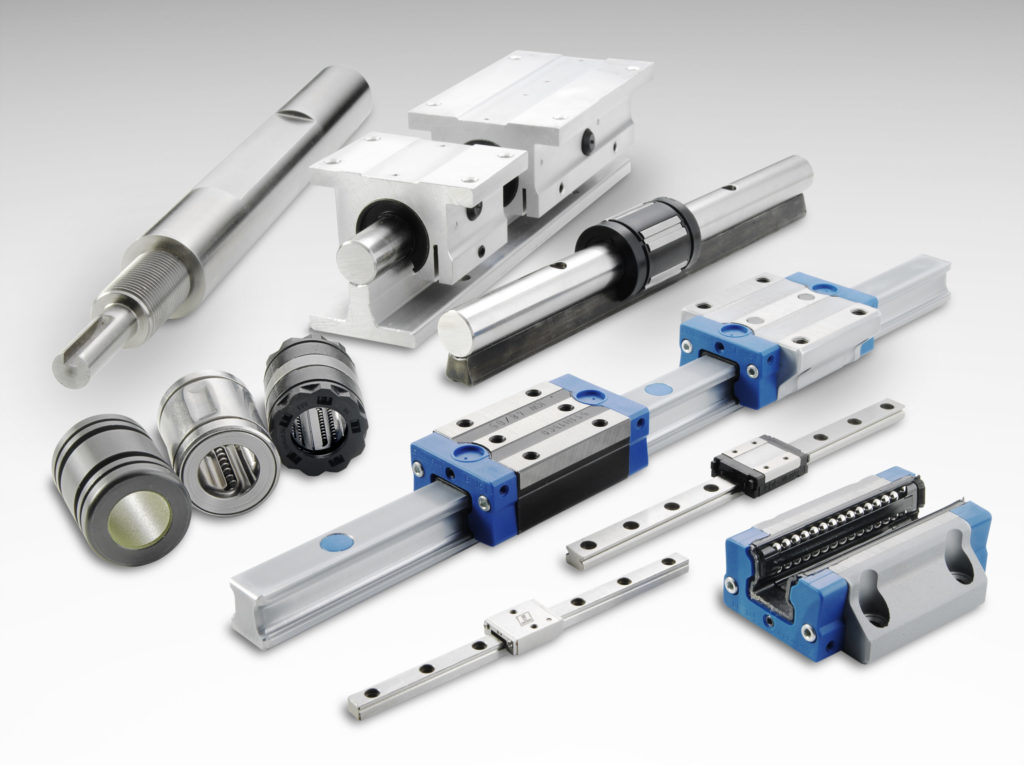
- Is the load guided? Side loads shorten cylinder life. A guided cylinder can help.
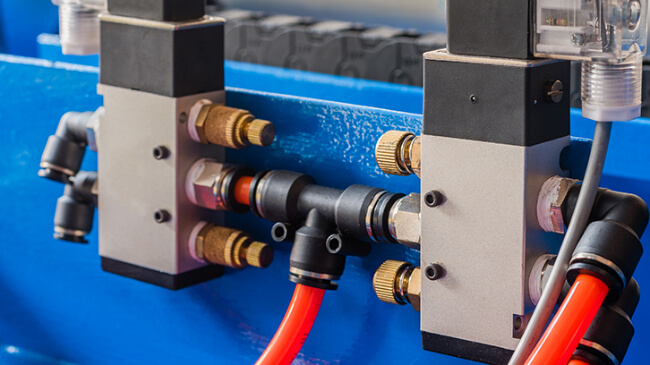
- Is your air supply ready? Stable pressure and clean air matter for repeatable force. Review your air preparation systems.
For standard formats, AirTAC standard NFPA cylinders are a common starting point. Our general guide on how to choose a pneumatic actuator covers the basics, and the full actuators category lists the options.
How Can High-Force Actuators Reduce Downtime and Rework?
They reduce downtime by being simple and serviceable, and reduce rework by delivering consistent clamping and ejection every cycle. Pneumatic presses are easier to maintain than hydropneumatic ones, according to Assembly Magazine. Consistent clamping force helps hold parts in position, and stable air supply keeps that force repeatable.
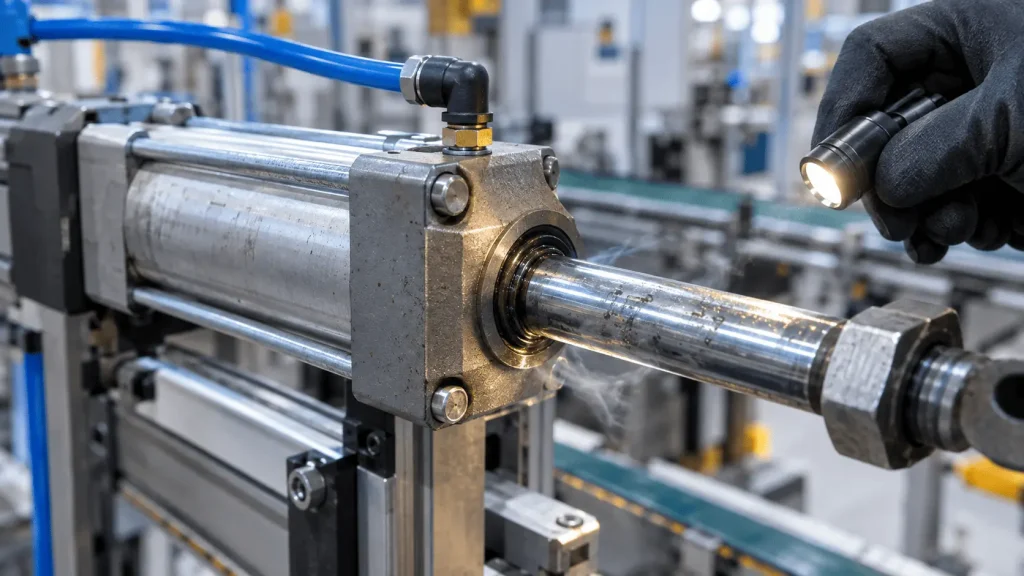
Speed control also matters. Adjustable flow controls such as PISCO speed controller push valves let you tune stroke speed without changing the cylinder. Watch for warning signs like slow stroke or air leaks, and see signs of a failing pneumatic actuator for when to repair or replace.
These actuators fit across industrial manufacturing, including stamping and metal-forming plants.
Frequently Asked Questions
No. A pneumatic cylinder’s force is far below press tonnage. It supports the press with clamping, ejection, and light pressing.
Press tonnage is the rated force a press can apply, expressed in tons. One U.S. ton equals 2,000 lb of force.
When the task needs high force or a long power stroke. One trade source suggests hydropneumatic designs above about 5 tons.
Only when you need precise, programmable force and distance control. For simple, fast tasks, pneumatic is often enough.
Multiply air pressure by piston area. Real output is lower once friction is included.
Conclusion
High-force pneumatic actuators earn their place in a stamping cell by doing the supporting work reliably: clamping, holding, ejecting, and light pressing at high speed. They are not a substitute for press tonnage, and heavy or tightly controlled forming belongs to hydropneumatic, hydraulic, or servo technology. Define the force, stroke, cycle time, and control level first, then match the cylinder.
If you are specifying actuators for a stamping line, get in touch and we can help you match the cylinder and air supply to your application.