The difference between lubricated and non-lubricated air comes down to whether the compressed air feeding your equipment carries a fine mist of oil or not. A lubricated system adds oil specifically for valves, cylinders, and tools built to run on it; a non-lubricated system supplies clean, dry, oil-free air to components designed to operate without it. Neither one is universally correct — the right answer depends entirely on what’s actually installed on that line, and mismatching the two causes real problems.
What Is a Lubricated Air System?
A lubricated air system injects a fine oil mist into the compressed air stream, typically through a lubricator installed as part of an FRL assembly, to reduce friction and wear inside components built to run on it. As air passes through the lubricator, it picks up a controlled amount of oil and carries that lubrication downstream to every valve, cylinder, and tool on the line.
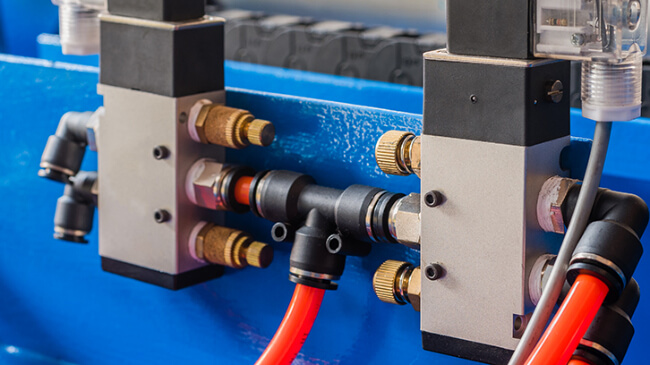
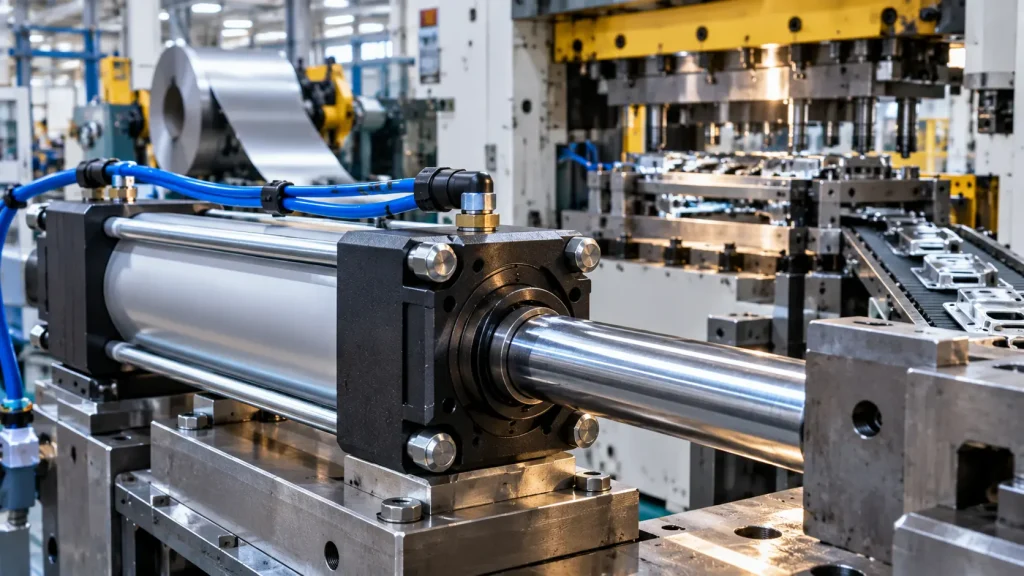
This setup exists specifically for equipment with seals, pistons, or moving parts that rely on that oil film to move smoothly and last longer. Older pneumatic products, along with certain modern high-cycle valves and air tools, are still built with this expectation in mind — components such as Humphrey Solenoid Valves or AirTAC Standard NFPA Cylinders each state their own lubrication requirement in the manufacturer’s documentation, which is exactly what to check before assuming either way.
What Is a Non-Lubricated Air System?
A non-lubricated air system supplies clean, dry compressed air with no added oil, relying on non-lubricated pneumatic components that are built to run without it. Rather than depending on an external oil supply, these parts use low-friction seal materials, self-lubricating polymers, or factory-applied grease that lasts the component’s service life — sometimes described as “lubed for life.”
This is now the more common setup on newer equipment. Advances in seal materials and surface finishing mean many valves and cylinders no longer need supplemental oil to perform reliably, which simplifies both the air system and its maintenance. Where oil content matters for compliance or product quality, air purity is generally specified against an established framework such as ISO 8573-1, the international standard covering particle, water, and oil contamination in compressed air.
Why Did Pneumatic Systems Traditionally Use Lubrication?
Pneumatic systems relied on lubrication because early seal materials genuinely needed oil to function properly. Natural rubber and leather packing — common in early valves and cylinders — required a steady oil supply to seal effectively and keep friction from wearing them out prematurely.
That legacy is why lubricators became a standard third stage in the FRL assembly, right alongside the filter and regulator: without that oil film, those older seal materials would dry out, harden, and fail well before the rest of the equipment did. Plenty of pneumatic equipment still in service today was designed around that assumption and still expects lubricated air. Trade publications such as Compressed Air Best Practices cover this history and the purity standards that followed it in more depth for anyone specifying a system from scratch.
Are Pneumatic Lubricators Still Necessary for Modern Equipment?
For a lot of modern pneumatic components, no — but not universally. The lubricated air vs. oil-free pneumatic system debate has shifted over the past couple of decades as manufacturers moved to composite seals, engineered polymers, and smoother surface finishes that hold their own lubrication for the component’s working life, without needing oil added at the air system level.
That doesn’t make lubricators obsolete across the board. High-cycle valves, air motors, and certain pneumatic tools still specify lubricated air in their documentation, and running them dry long-term can shorten their service life. The honest answer is component-specific: check what’s actually installed before deciding a lubricator is unnecessary.
What Happens If You Mix Lubricated and Non-Lubricated Components?
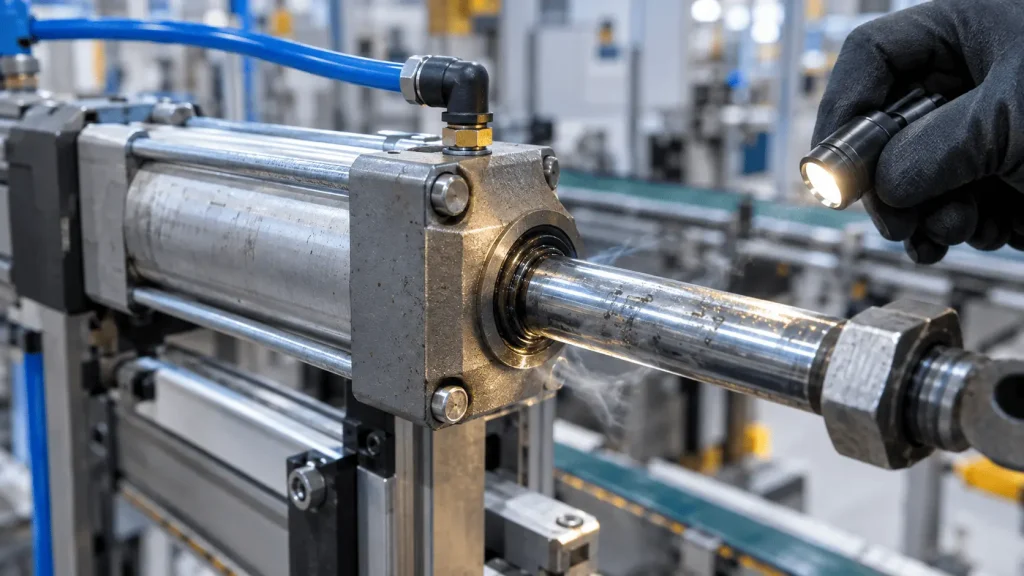
Mixing the two creates problems in both directions, not just one. Running non-lubricated air through components built for lubricated air lets their seals dry out over time, increasing friction and wear until they eventually stick or fail. Running lubricated air through components designed for oil-free operation can wash away the factory-applied lubrication those parts depend on, attract dust and debris into a sticky residue, or contaminate downstream processes that require clean air.
This is exactly why the FRL lubricator vs no lubricator decision isn’t something to guess at — it needs to match what’s actually specified for the equipment on that line, not a blanket policy applied to the whole plant.
Lubricated vs. Non-Lubricated Air Systems: Side-by-Side Comparison

| Factor | Lubricated System | Non-Lubricated System |
|---|---|---|
| Air quality | Contains fine oil mist | Clean, oil-free |
| Component design | Seals rely on added oil | Self-lubricating or factory-lubricated |
| Maintenance | Requires monitoring and refilling oil | No oil supply to maintain |
| Compatibility | Damages components not rated for oil | Can dry out components that require oil |
| Typical use | Older or specific high-cycle equipment | Modern components, contamination-sensitive processes |
Does My Pneumatic System Need an Air Line Lubricator?
Check the manufacturer’s documentation for every valve, cylinder, and tool on the line before deciding either way. That labeling will state plainly whether a component requires lubricated air, runs fine without it, or should never be lubricated at all — which is the only reliable way to answer the lubricated vs non-lubricated pneumatic system question for a specific line. Pneumatic system lubrication requirements are set at the component level, not the plant level, so there’s no shortcut around checking each one.
Mixed equipment ages are the most common reason a plant genuinely needs a lubricator: a newer, non-lubricated valve installed next to an older cylinder that still expects oil means the line has to accommodate both, usually by lubricating a branch line rather than the whole system. Vendors such as Koganei and KNOCKS publish this kind of lubrication guidance for their own air preparation systems, which is the first place to check before assuming either way.
Where Are Non-Lubricated Air Systems Required?
Non-lubricated air is often mandatory rather than optional in processes where any oil contamination is unacceptable — food and beverage production, pharmaceutical manufacturing, and electronics assembly among them. In these settings, an oil-free air system isn’t a maintenance preference; it’s a requirement tied to product quality and contamination control.
Outside of those contamination-sensitive processes, the choice comes down to matching air quality to what the installed components actually need, rather than an industry-wide rule. Airtac and Fabco Air both publish lubrication guidance alongside Koganei and KNOCKS, so checking the relevant vendor’s documentation is a reliable starting point regardless of which brand is already on your line.
Frequently Asked Questions
Only if the valves, cylinders, or tools installed on that line are specified by their manufacturer to run on lubricated air. Many modern components don’t need one, but some older or specialized equipment still does.
Not universally. Many current pneumatic components are factory-lubricated and designed to run oil-free, though certain high-cycle valves and tools still call for supplemental lubrication.
The added oil can wash away factory lubrication, attract contamination, or leave residue inside the component, potentially causing performance issues rather than solving them.
Only after confirming every component downstream can run without added oil. Removing lubrication from equipment still built around it can lead to premature seal wear and failure.
Yes. Non-lubricated and oil-free are used interchangeably to describe compressed air with no added lubrication, supplied to components built to operate that way.
Conclusion
Lubricated vs. non-lubricated isn’t a preference to set once for an entire plant — it’s a match between the air supply and what each individual component on the line actually requires. Check the documentation, watch for mixed equipment ages, and treat contamination-sensitive processes as non-negotiable on the oil-free side.
If you’re not sure what your current line needs, get in touch and we can help you sort out which components call for lubrication and which don’t.